Host plant
Violets, or nothing
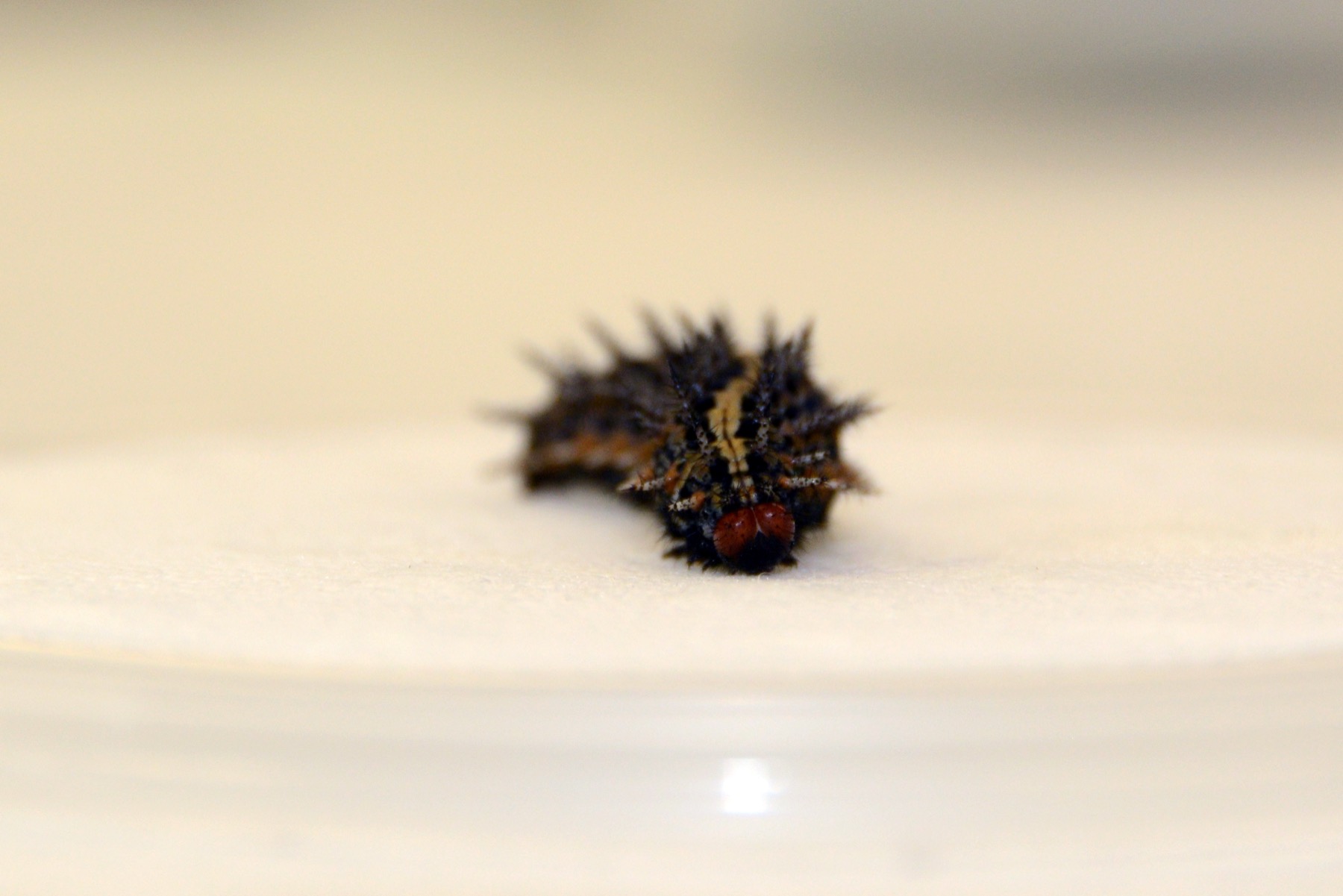
Its caterpillars eat only native violets, especially the prairie violet (Viola pedatifida). No prairie violets, no Regal Fritillary. There is no substitute food.
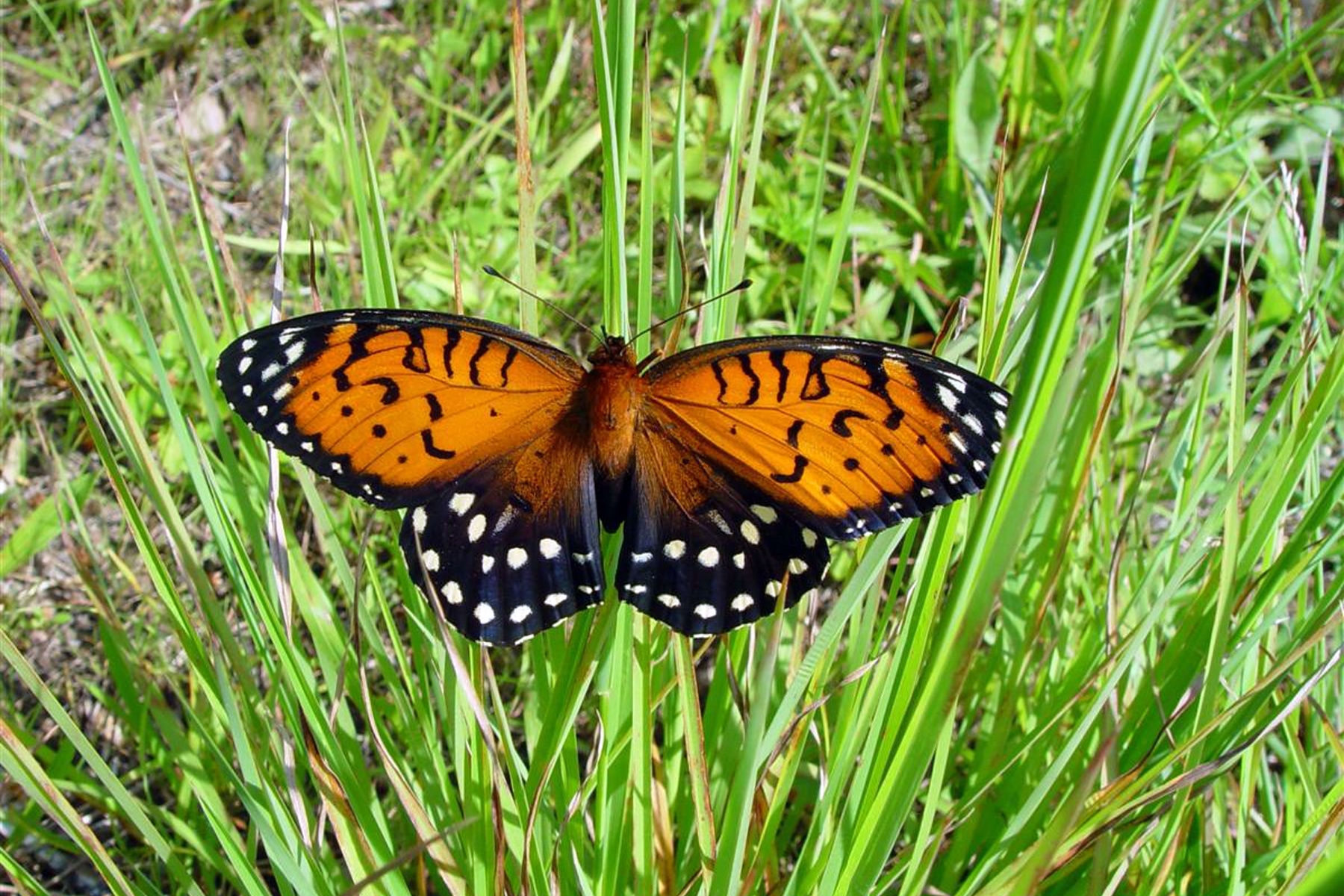
Speyeria idalia, a true tallgrass-prairie native, claimed by no other state, and quietly disappearing. Here's the whole case: why it's the right symbol, what makes it remarkable, and why it needs Missouri now.
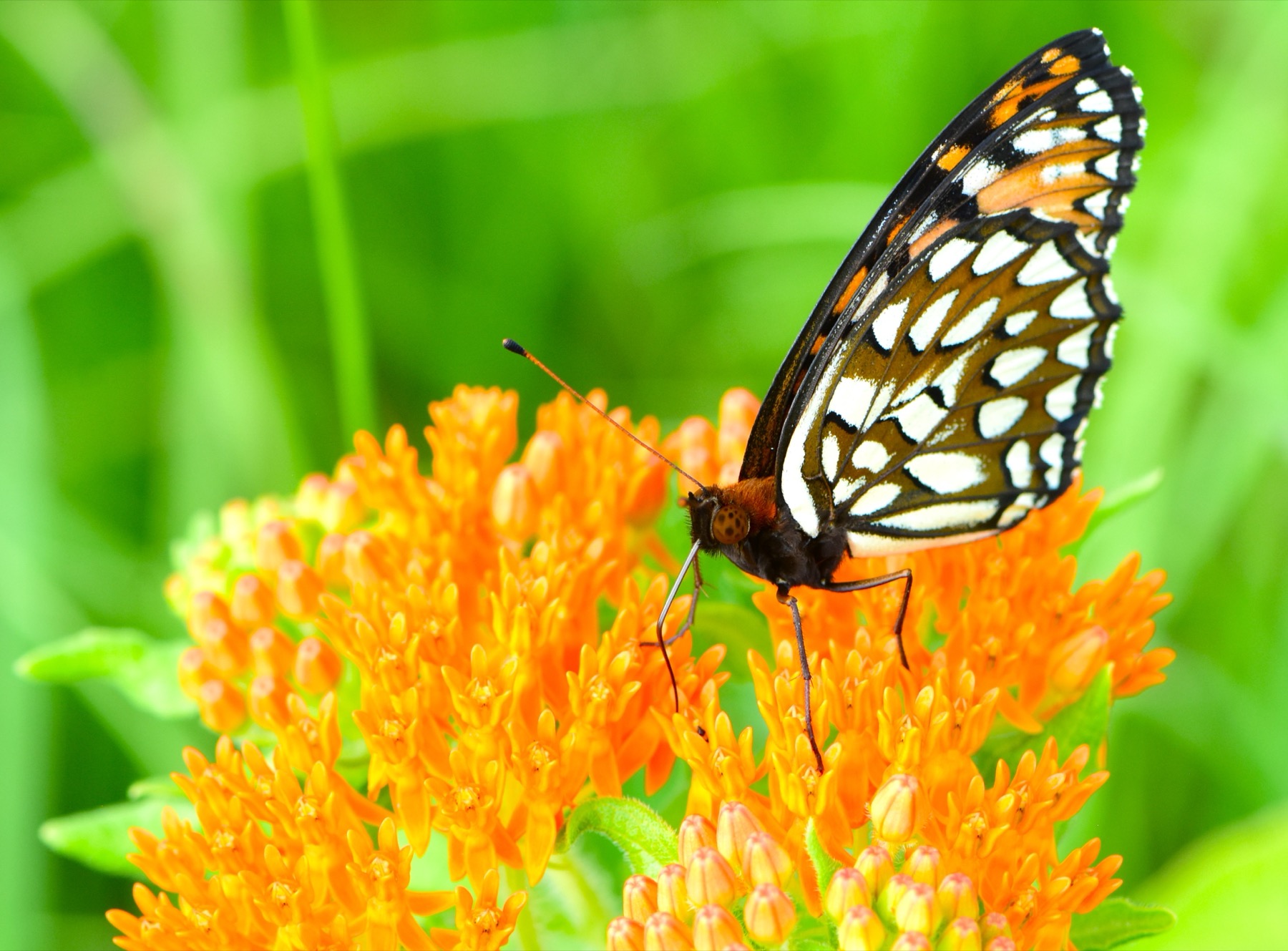
Speyeria idalia
A true Missourian. A tallgrass-prairie specialist that was once found nearly statewide, back when prairie blanketed roughly a third of Missouri. This butterfly is our lost landscape, made flesh.
One of a kind. No other state claims it. Pick the Regal and Missouri gets a genuinely unique emblem, not a hand-me-down shared with fifteen neighbors.
An underdog with a cause. It's a species of conservation concern, and in 2024 federal officials proposed Endangered Species Act protection. The title becomes a conservation megaphone.
It's still here. Even after vanishing from most of its historic range, the Regal still flies on western Missouri's prairies, so we'd be honoring a species we can still help save.
A total stunner. Deep orange above, silver-spangled below, and described as one of the most spectacular butterflies of the temperate world. Royalty should look the part.
A great state symbol should be three things at once: unmistakably ours, genuinely beautiful, and worth fighting for. Lots of natives manage one. The Regal Fritillary lands all three, and once you understand how it actually lives, the "worth fighting for" part gets urgent.
The Regal Fritillary isn't a generalist that turns up in backyards. It's a prairie specialist with a life cycle so precise it can only survive where the tallgrass is genuinely healthy. That precision is exactly what makes it both extraordinary and fragile.
Its caterpillars eat only native violets, especially the prairie violet (Viola pedatifida). No prairie violets, no Regal Fritillary. There is no substitute food.
Just one generation hatches annually. A single bad season (a drought, a mistimed mow, a too-hot burn) can erase an entire year's young.
Adults emerge in early summer, then females pause for months through the heat before laying eggs in late summer, right where violets will sprout. A single female may lay well over a thousand.
Tiny newly-hatched caterpillars overwinter in the prairie thatch, waiting out the cold and feeding only when spring violets finally appear.
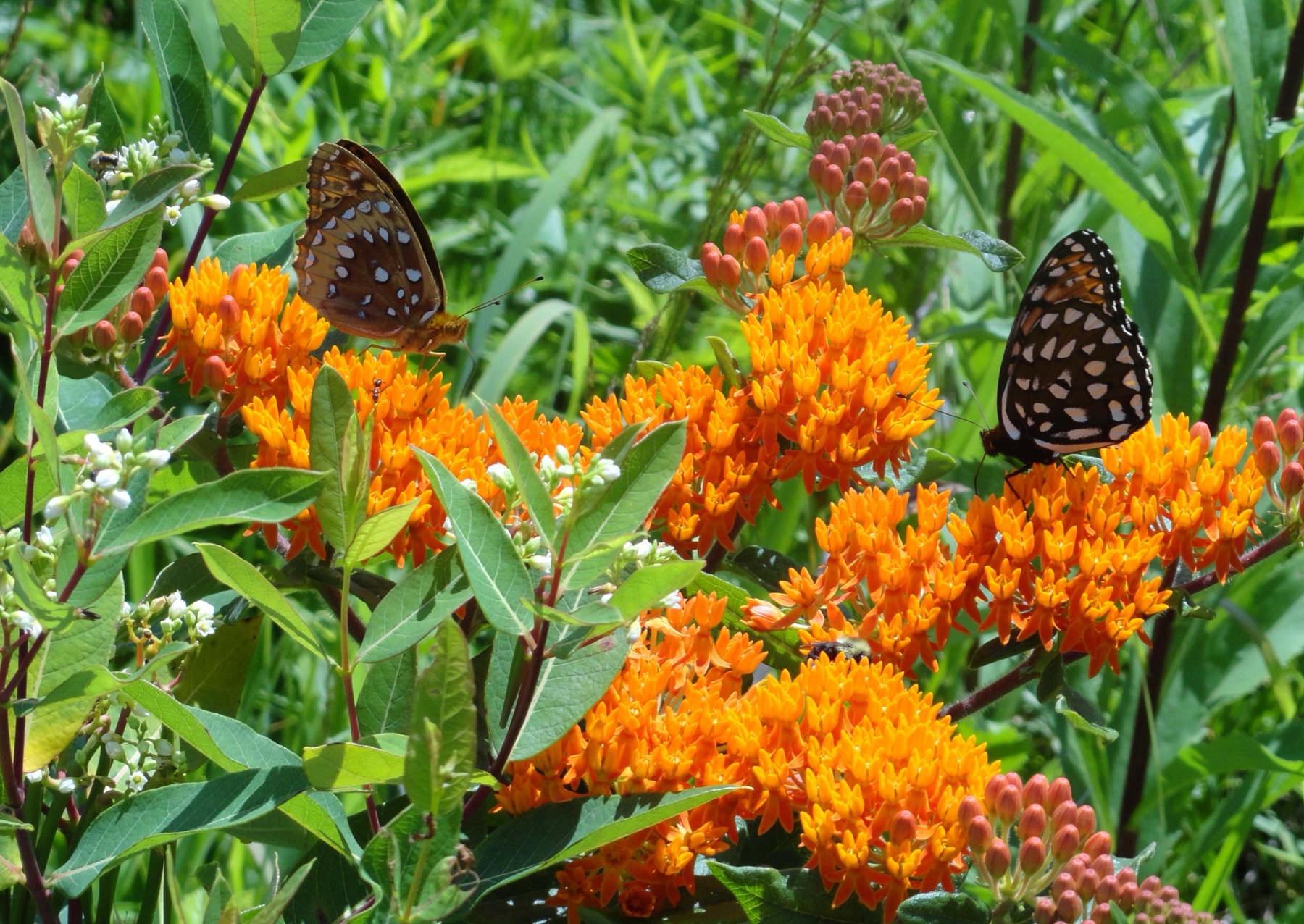
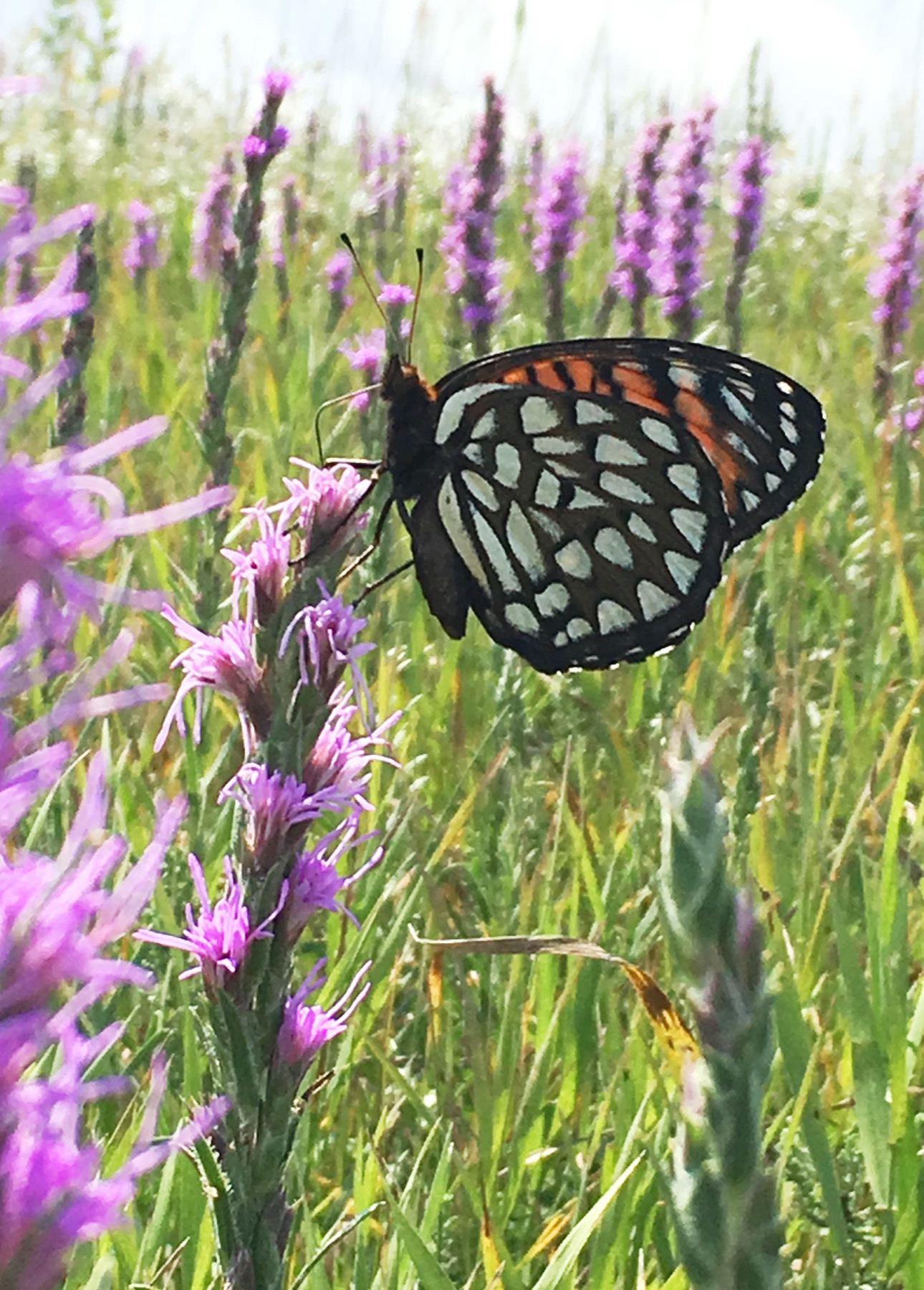
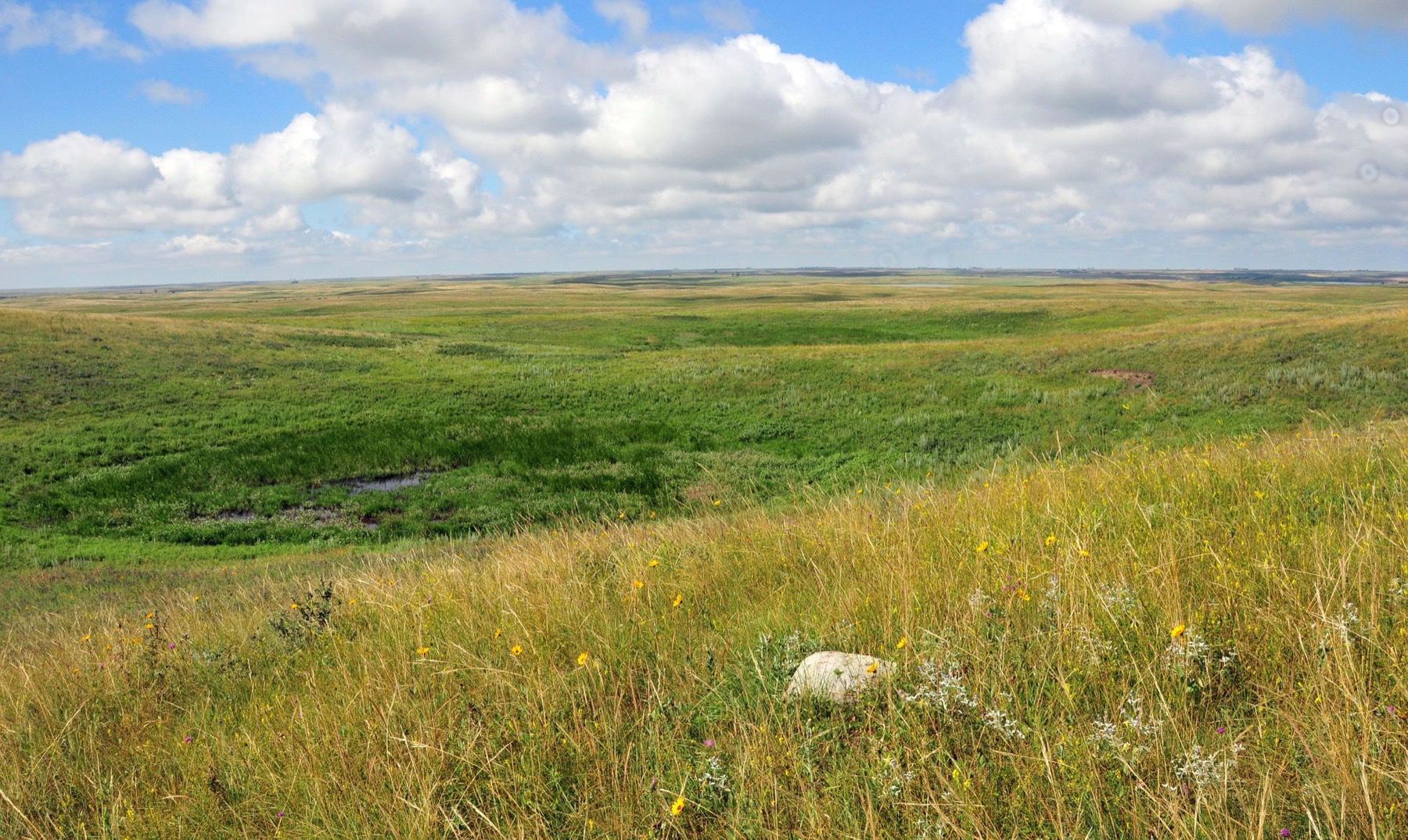
The Regal Fritillary can't live on scraps. It needs large, healthy, connected prairie: the violets its young eat, the wildflowers its adults drink from, and open room to move between them. Protect enough habitat for this one butterfly and you automatically shelter everything that shares its home, from native bees and grassland songbirds to the deep-rooted wildflowers that hold Missouri's soil and water in place. It's a symbol that, once defended, defends an entire ecosystem.
Tallgrass prairie is one of the most endangered ecosystems in North America. It has been plowed for crops, paved for development, and lost almost everywhere it once stood. The Regal has nowhere else to go.
What prairie survives sits in scattered, shrinking fragments. Regals struggle to cross the developed gaps between them, so isolated colonies wink out one by one, with no neighbors left to refill them.
Fire, haying and grazing keep prairie alive, but at the wrong moment they destroy the overwintering caterpillars and the violets they depend on. With this butterfly, the timing of every burn and mow is everything.
Once common across the eastern tallgrass, the Regal Fritillary has disappeared from most of its former range, nearly vanishing east of the Mississippi. The prairies of the Great Plains and western Missouri now carry the species.
The Regal Fritillary has vanished from most of its historic range, but it still flies on the prairies of western Missouri. With federal protection proposed in 2024, Missouri isn't just a fitting place to honor this butterfly. It's one of the states that can still help save it. That's a real responsibility, and a rare opportunity.
Naming an insect won't, by itself, protect a single acre. But conservation starts with caring, and you can't care about what you've never met. A state symbol introduces millions of Missourians to a butterfly, and a landscape, most have never heard of.
Conservation stays abstract until it has a hero. The Regal turns "save the prairie" into one gorgeous, specific, unforgettable ambassador.
State symbols live in classrooms and textbooks. Every kid who learns the Regal is one more Missourian who will grow up fighting for the prairie it needs.
A symbol hands agencies, landowners and volunteers a shared banner: prairie restoration, violet planting, and smarter, better-timed habitat management.
The Regal Fritillary has been part of America's grasslands far longer than Missouri has been a state. Its story is the prairie's story: vast and thriving, then plowed away to scattered remnants. Here's how a statewide native became a survivor.
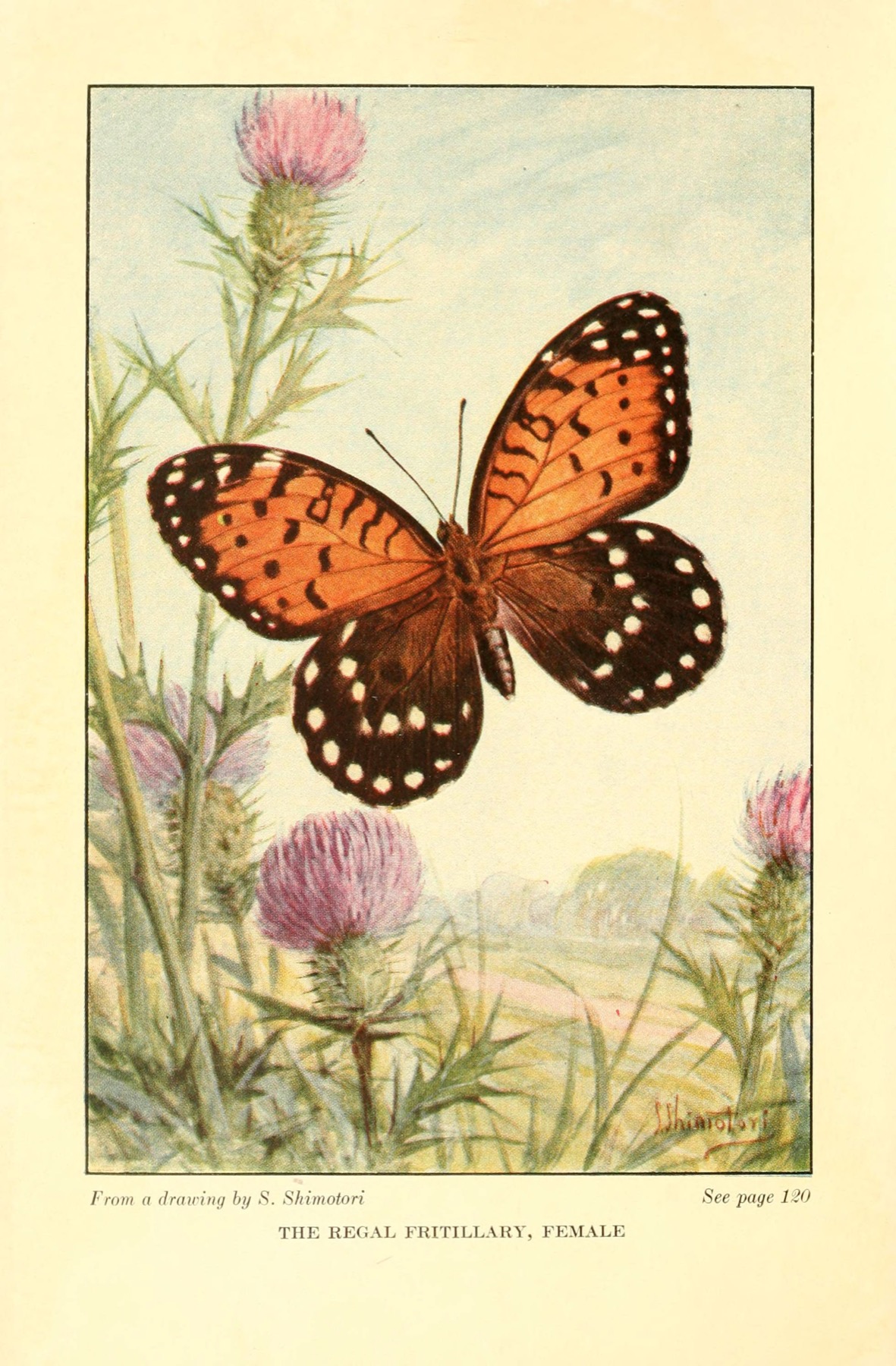
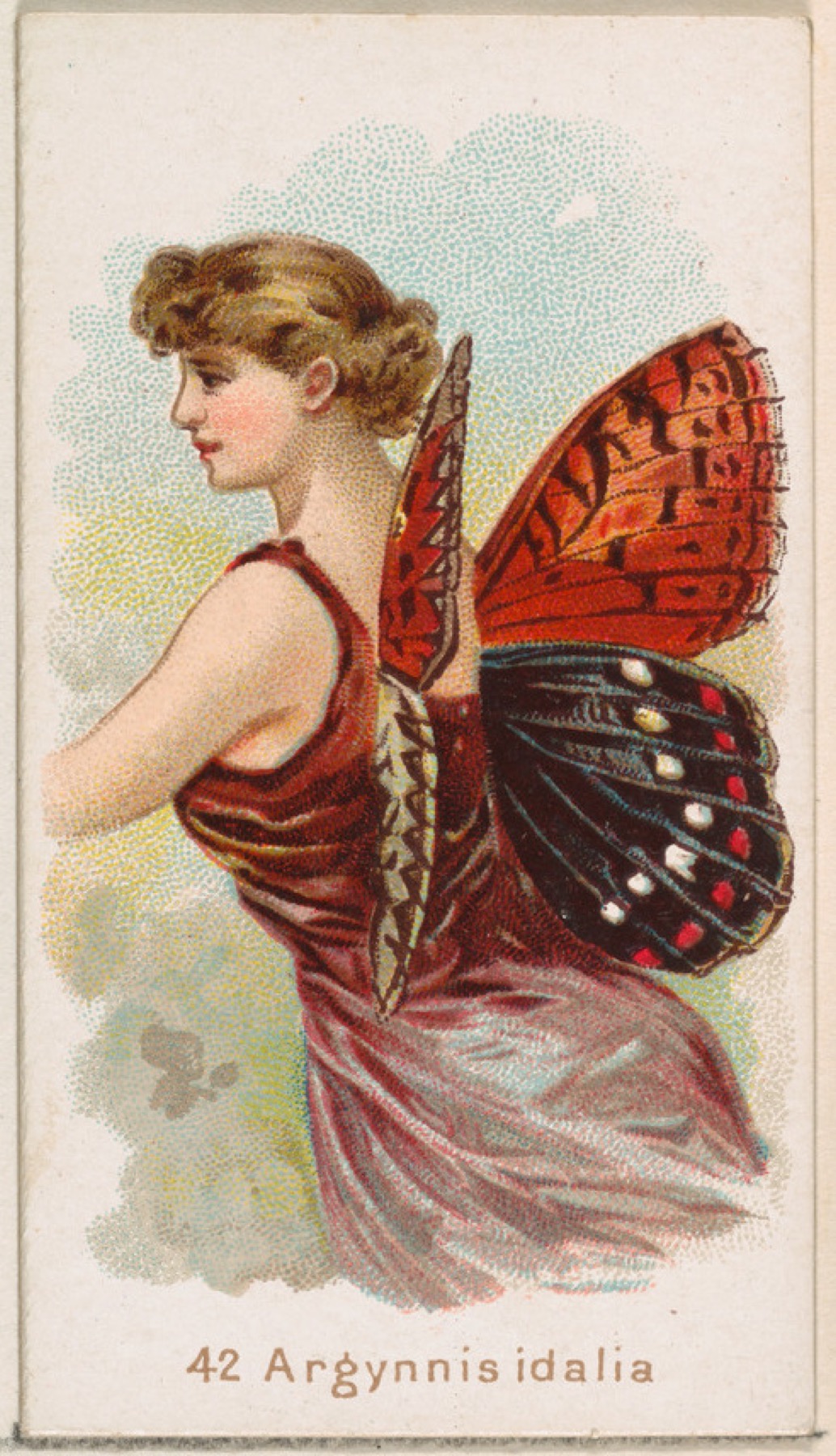
The naturalist Dru Drury formally described the Regal Fritillary, three years before the Declaration of Independence. Even then, it was a creature of wide-open grassland.
Across some thirty states, from Maine to Montana, the Regal rode the great American prairie. In Missouri it was found nearly statewide, anywhere bird's-foot and prairie violets bloomed in open grassland.
As the prairie was broken for farms and towns, the Regal began to vanish with it. Over the following decades more than 99% of America's tallgrass prairie disappeared, and the butterfly's range contracted hard.
By the end of the century the eastern populations had all but collapsed, hanging on at only a tiny handful of sites. The species' center of gravity shifted west, onto the prairies of states like Missouri.
Today the Regal survives mainly on the remaining prairies of the Great Plains and western Missouri. In 2024 it was proposed for Endangered Species Act protection. The butterfly that was once nearly everywhere now needs the states that still have it, and Missouri is one of them.
Pledge your support for the Regal Fritillary, then tell your legislator. A symbol is how we turn a beautiful, vanishing butterfly into a cause Missouri actually rallies behind.