
The Incumbent
The honeybee
The honeybee
has got to go.
It's a fine little insect. It's also the wrong one for the job, and here are the four charges, for the record.
It's a fine little insect. It's also the wrong one for the job, and here are the four charges, for the record.
Missouri law literally calls it "the native honey bee," but it isn't native at all. European colonists brought it over in the 1600s, and the Missouri Department of Conservation states plainly that it's not native to the state. Our official symbol is, in effect, lying in its own statute.
Here's the uncomfortable part. Research shows managed honeybees compete with wild native bees for the same nectar and pollen. In a major scientific review, more than half of the studies on that competition found negative effects on wild bees, and one field study measured wild-bee presence dropping by about half near high-density apiaries. The "save the bees" mascot can actively crowd out the bees that genuinely need saving.
The honeybee is a domesticated, human-managed farm animal. As the Xerces Society puts it bluntly: managed honey bees are essentially livestock, and beekeeping is not bee conservation. Honoring it as our wild emblem is a bit like crowning the dairy cow. A state insect should celebrate Missouri's genuine natural heritage.
The honeybee is already the official insect of sixteen states. Sixteen. (Two more call it their state agricultural insect.) It is the single least distinctive choice on the entire menu, the opposite of a symbol that sets Missouri apart. We can do so much better.
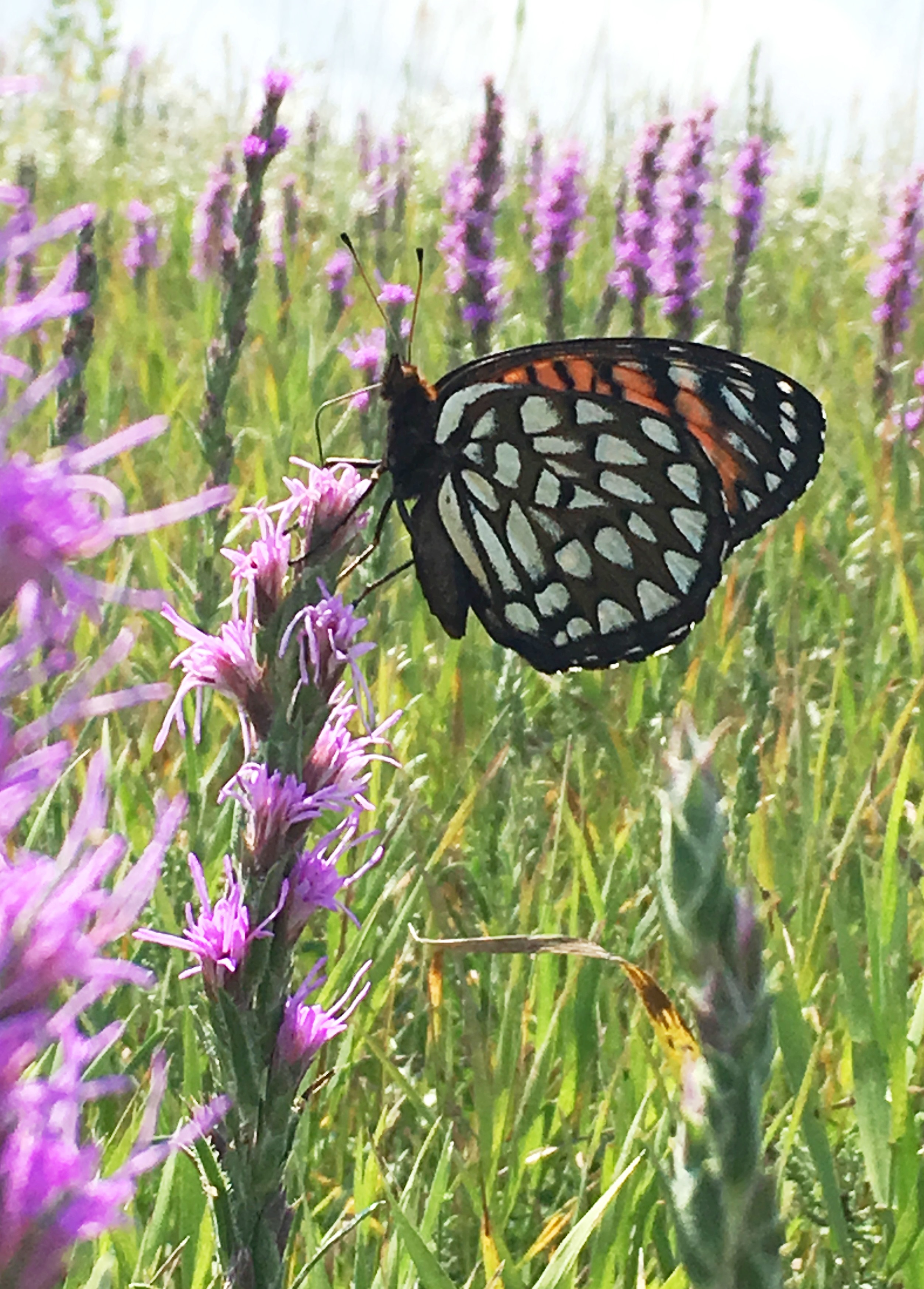
That's a sentiment echoed by pollinator scientists and the Xerces Society alike. If we want to celebrate Missouri's pollinators, we should celebrate the wild ones.
One native checks every box: distinctive, gorgeous, deeply Missourian, and fighting for its life. Meet the Regal Fritillary.